

PRP Hair Restoration
Hair loss affects millions of people — and while it’s rarely a medical emergency, the emotional toll is very real. At The Hair Clinic, we believe you deserve honest, evidence-based options, not just a sales pitch.
Platelet-Rich Plasma (PRP) therapy is one of the most well-researched non-surgical treatments for hair thinning and loss currently available. It works by harnessing your own biology — using concentrated growth factors derived directly from your blood to re-awaken dormant hair follicles and support the ones you still have.
This page explains exactly what PRP is, how it works, who it’s suited for, and what realistic expectations look like — so you can make an informed decision.
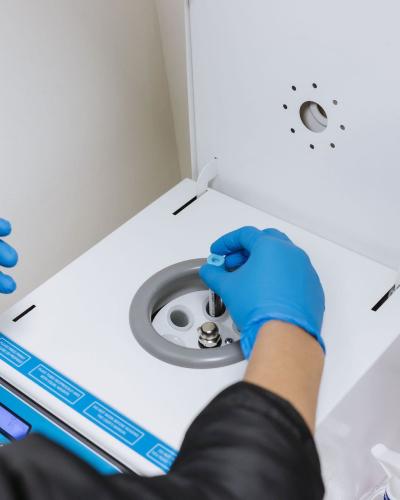
What is PRP, and why does it work?
our blood contains platelets — tiny cells whose primary role is to heal tissue. When activated, platelets release a cascade of growth factors including PDGF, VEGF, IGF-1, and EGF — proteins that signal tissue repair and cellular regeneration at the site of injection.
In the context of hair loss, these growth factors help extend the anagen (growth) phase of the hair cycle, improve blood supply to the follicle, reduce inflammation around the follicle, and stimulate stem cells in the follicle bulge area. The result, in suitable candidates, is visibly increased hair density, reduced shedding, and stronger, thicker hair shafts over time.
70–80%
of patients see measurable improvement in hair density with PRP
3–6
sessions typically recommended for optimal initial results
100%
autologous — uses only your own blood, no foreign substances
What results can you realistically expect?
PRP is not a quick fix — and we’ll always be upfront about that. Hair growth is a slow biological process, and results build gradually over several months. Most patients begin to notice:
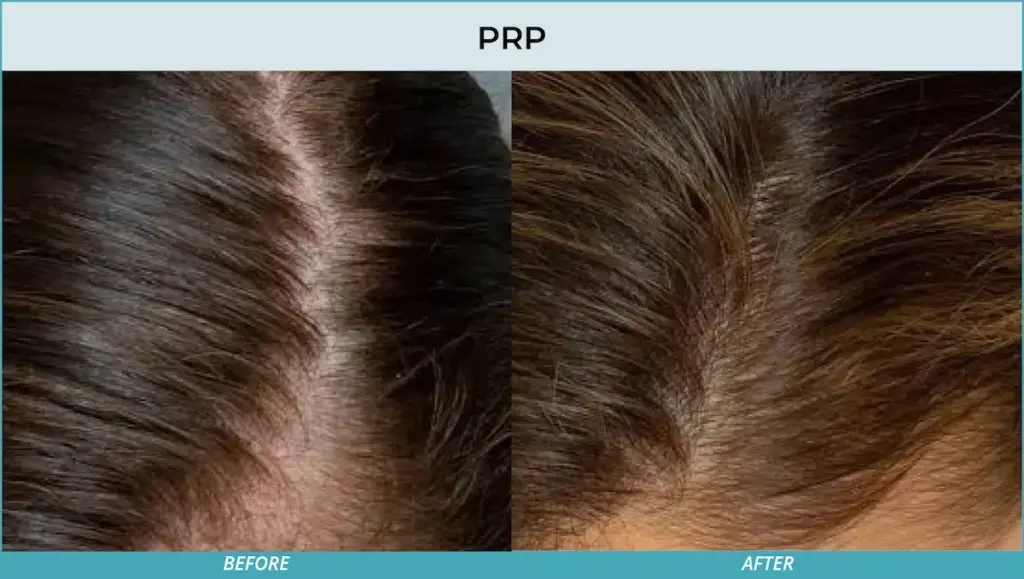
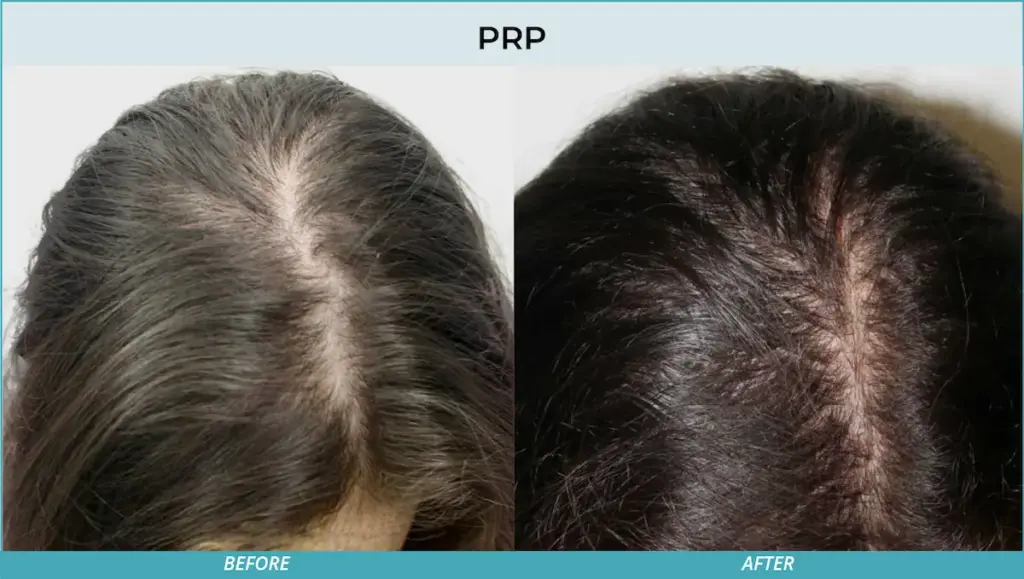
Results vary between individuals and depend on the degree of hair loss, the underlying cause, age, hormonal health, and overall scalp condition.
What patients typically ask us
Is the procedure painful?
A topical anaesthetic is applied approximately 30 minutes before injection, which significantly reduces discomfort. Most patients describe it as mild pressure or a light stinging sensation. Post-procedure tenderness typically resolves within a day or two.
How many sessions will I need?
The standard initial protocol is 3 sessions spaced 4–6 weeks apart, followed by a review. Some patients benefit from a fourth or fifth session depending on response. Maintenance thereafter is typically one session every 6–12 months.
Can I combine PRP with other treatments?
Yes — PRP can be used alongside topical minoxidil, low-level laser therapy (LLLT), oral supplements, and hair transplant procedures. Many patients achieve superior results through a combined approach tailored to their specific hair loss profile.
Are there any side effects?Because PRP is derived from your own blood, the risk of allergic reaction is extremely low. Possible side effects include temporary scalp redness, minor swelling, or localised tenderness at injection sites — all of which typically resolve within 48–72 hours.
How soon will I see results?
Hair growth cycles mean results take time. The majority of patients begin to notice reduced shedding within the first 6 weeks, with visible improvement in density and texture from months 3–6. Full assessment is typically done 3 months after completing the initial treatment course.